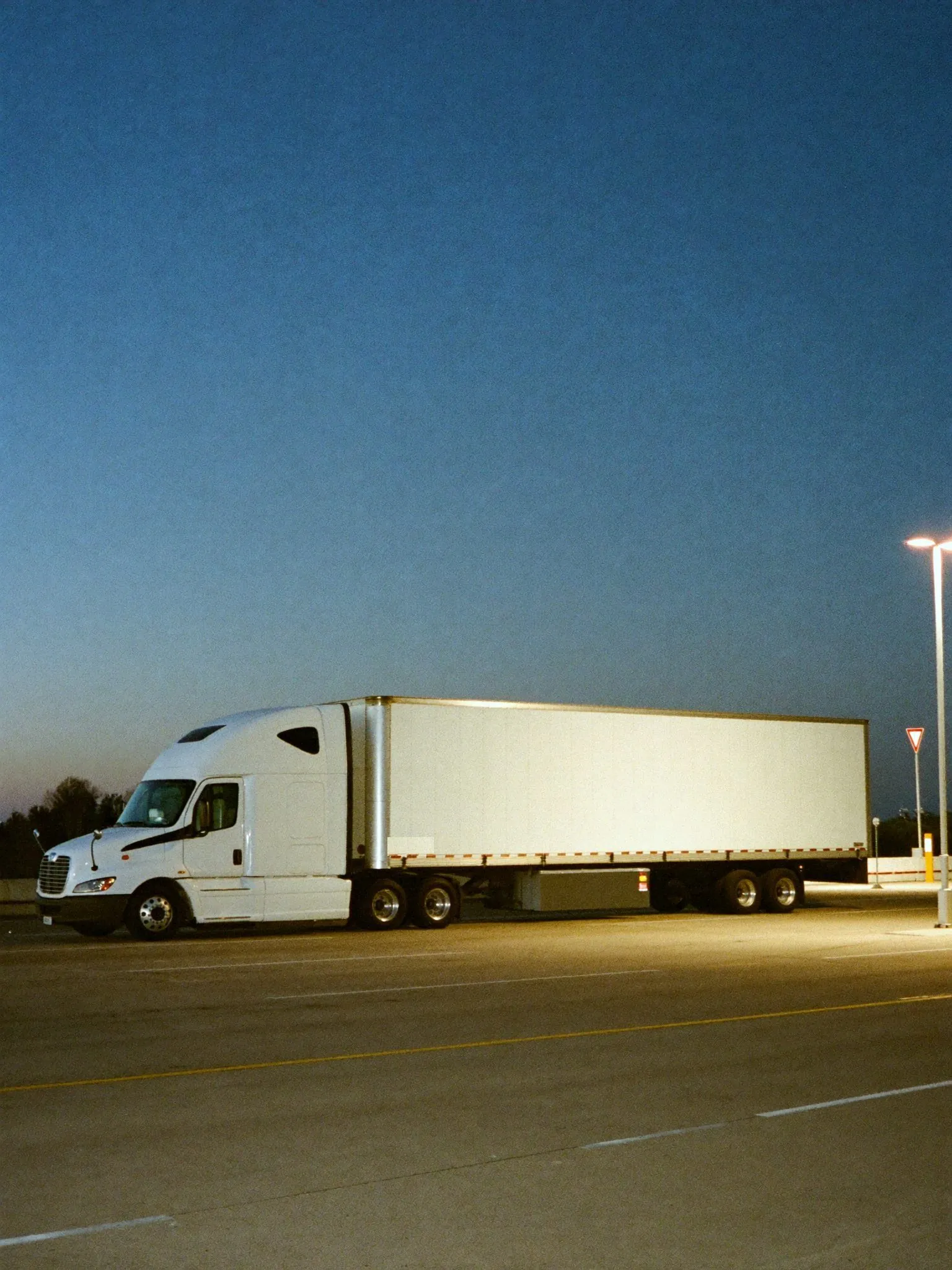
Road
Theft in transit
- What happens
- A lorry is hijacked at a rest area.
- What the policy does
- Cover for theft of the cargo, subject to the agreed security measures.
Your goods covered door to door.
The carrier's liability is limited by law to an amount per kilo that usually falls well below the real value of the cargo. If the goods are yours, transit insurance is what covers the difference, by road, sea or air, and also during intermediate storage.
In international road haulage, the CMR Convention limits the carrier's liability to 8.33 SDR (Special Drawing Rights) per kilo of gross weight.
By road, sea, air or rail, and any combination of them.
From the warehouse of origin to destination, including intermediate storage.
Total or partial theft of the cargo.
Your contribution to the expenses and sacrifices made to save the vessel and cargo in sea transport.
Every shipment in the year covered, with periodic declarations.
According to the Incoterm agreed with your customer or supplier.
Road
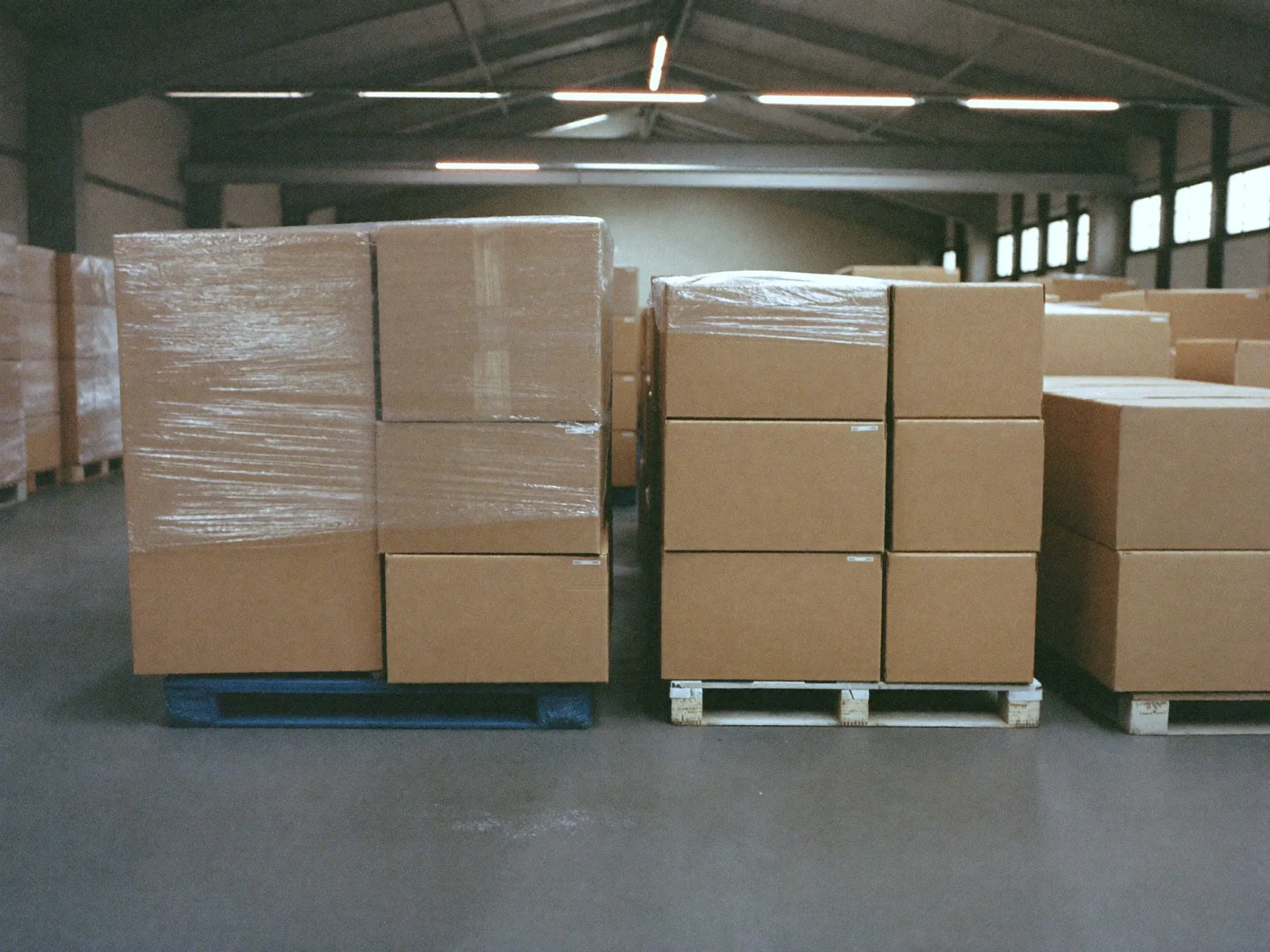
Intermediate warehouse
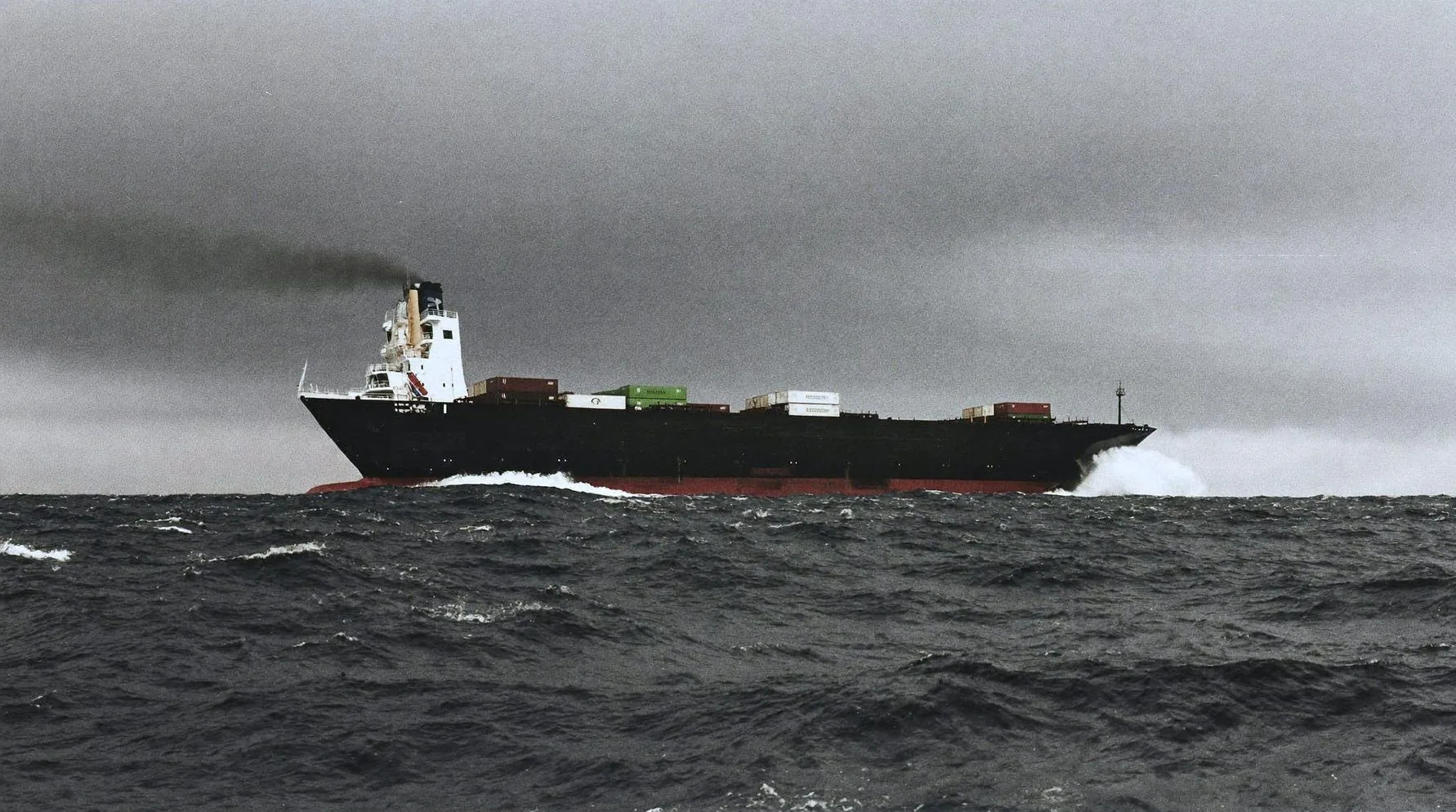
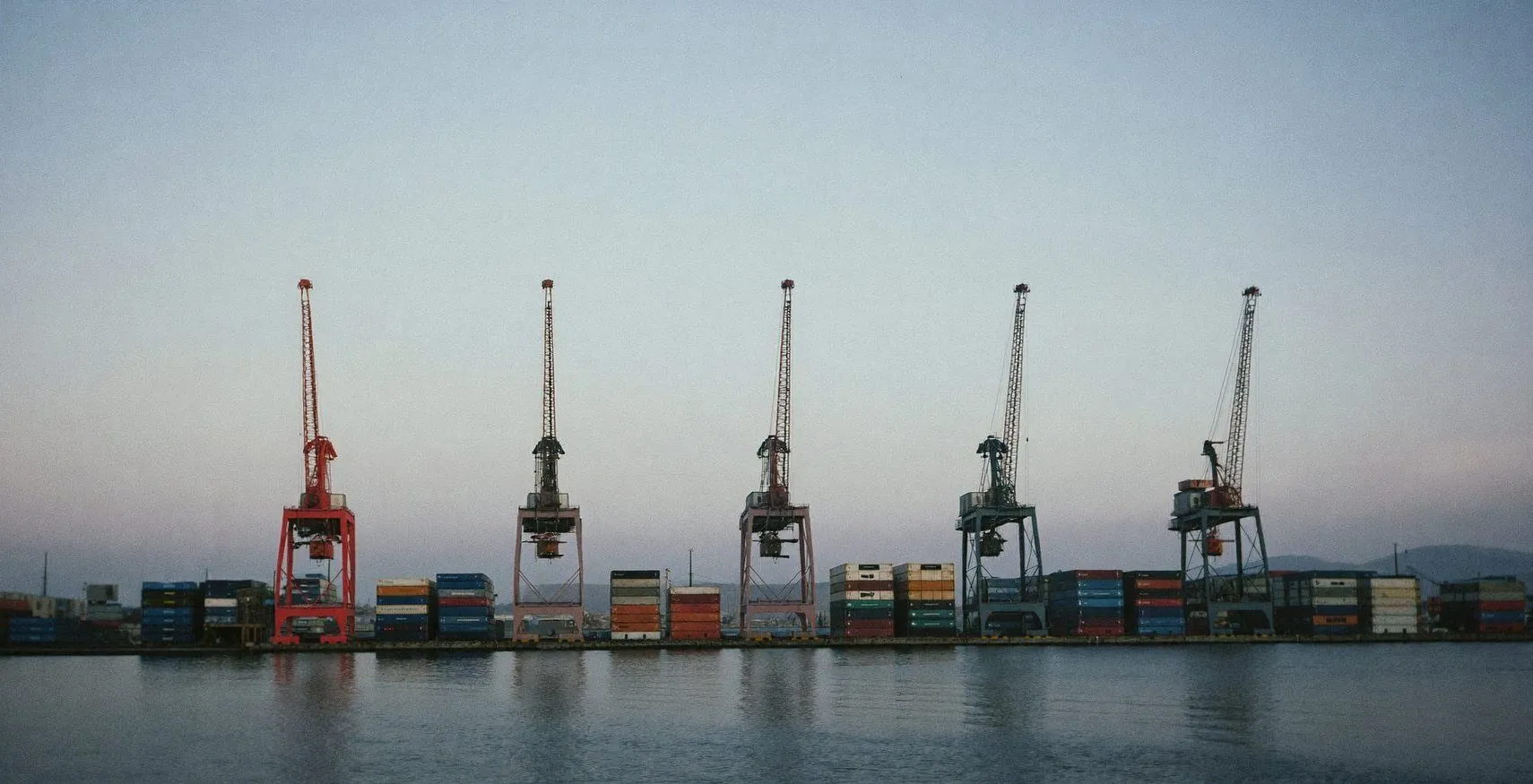
Sea freight
The Incoterm agreed with your customer or supplier sets the point in the journey at which risk passes from seller to buyer. Your policy must cover the legs for which you bear the risk.
EXW. The buyer bears the risk from the moment the goods are made available at the seller's premises.
FCA. Risk passes to the buyer when the goods are handed over to the carrier nominated by the buyer.
FOB. Risk passes to the buyer when the goods are on board the vessel at the port of shipment.
CIF. Risk also passes on board at origin, although the seller pays the freight and takes out minimum cover insurance.
DAP. The seller bears the risk up to the agreed destination, with the goods ready for unloading.
DDP. As DAP, and in addition the seller handles import clearance.
Simplified reference to the Incoterms 2020 rules. What applies is what has been agreed in your sale contract.
Taken out for a specific shipment, with its own route and value.
Annual contract covering all shipments, declared periodically.
If you ship regularly, an annual open policy works out better and avoids oversights. We compare both against your actual volume.
The carrier is liable only up to a legal limit per kilo, which is usually far below the value of the goods. Without a policy, you bear the difference.
Door-to-door policies cover intermediate stays up to a maximum period. We review this against the way you operate.
An adviser will call you during office hours.
We will open a chat with an adviser. We reply during office hours: Monday to Thursday 9.00-14.00 and 15.00-18.00, Friday 9.00-14.00.
We use your data solely to deal with your enquiry.
We will call you then. If it no longer suits you, let us know on +34 93 363 07 70 and we will move it.
If WhatsApp did not open by itself, call us on +34 93 363 07 70.